
With nine months at the helm of the largest leadership position in the world, Trump continues to polarize people with the same efficacy in which he ran his campaign. Love him or hate him, he evokes such raw emotions that make ignoring him completely impossible. In a world where noise is the most prevalent message, I would argue his communication strategy delivers on all fronts as being more impactful than any mainstream media outlet.
The problem is that we are so fixated on what he says that we are missing the greatest gift he has given us – unification of like-minded people. Whether you swing Alt-Right, stand in support of the LGBTIQ communities, or fight for better rights for Women, we are all now stronger because of Trump.
Never in history have we come together as we have under his regime. De facto groups are uniting in scores because they finally get there is more power in coming together than fighting over our differences. Consider the women’s march against Donald Trump – this was the largest day of protests in US history and continues to align women all around the world. We have more people fighting against Islamophobia today when arguably, Muslim geo-political relations have never been so tense. We are holding large technology companies accountable for their blatant violation of women’s rights when before we dismissed it to the nature of the industry. This alignment of goals, the desire to stand by the underrepresented would not exist today if we did not have Trump.
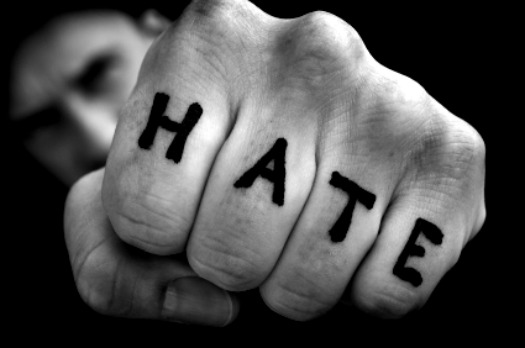
The real secret to Trump’s strategy is evocation of raw emotions. Emotions have the power to completely hijack any sense of rationality, compelling us to act in ways we may not otherwise consider. Why did so many people march when they had never marched before? Why are people now advocating for diversity as if it’s a novel idea that never previously existed? It boils down to our most universal of emotions – hate. Whether you hate Trump as a leader and want to rebel against all he represents, or you hate your fellow neighbor, you now feel you have a voice to rationalize that hate. It’s through that hate that we self-organize and drive for action, in ways that our normal state of complacency would never allow us. Hate creates cortisol and cortisol makes us focus. Focus on doing things we would never normally do.
Now if we move this revolution to an organizational context, what can we learn? In my experience of organizations, they do everything in their power to avoid raw emotions. Whether its fear of an economic downturn, the depression of a recent failure or the unadulterated joy that comes from success, we try to even out the organizational sentiment into one of steady state, believing that this steadfast approach will avoid any volatility. However it is this volatility that brings us together, the deep felt emotions that binds us to take action in ways we normally wouldn’t imagine.
Therefore organizations need to ask themselves ‘do we lean into raw emotions or try to manage them’? If you are not exploiting the emotion, you are missing out on the opportunity to do great things.